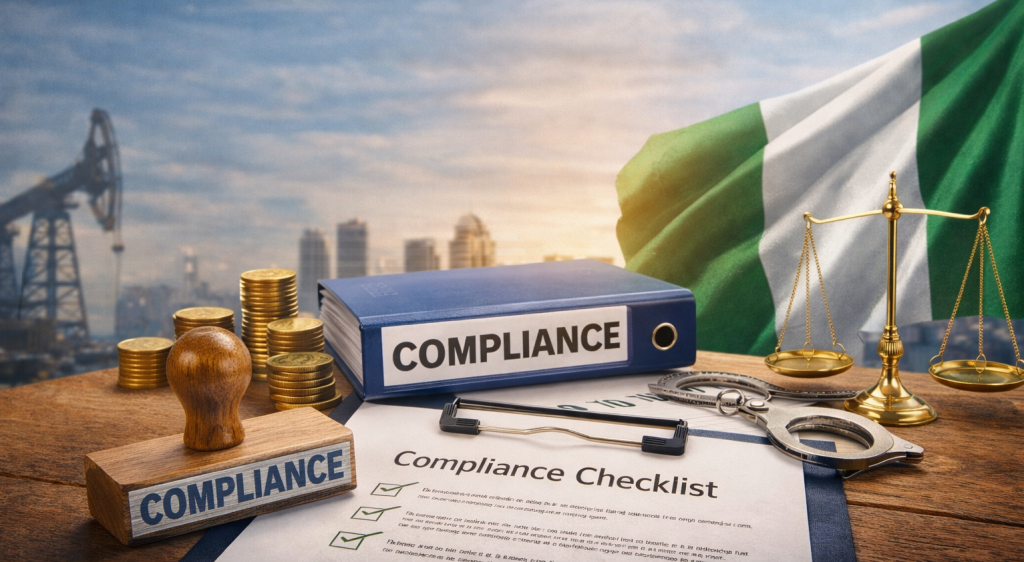
In Nigeria’s evolving regulatory environment, tax and compliance obligations are no longer routine administrative tasks. They have become critical risk management priorities for businesses of all sizes.
With the continued enforcement drive by the Federal Inland Revenue Service (FIRS), increased data integration across government agencies, and tighter monitoring from regulators such as the Corporate Affairs Commission (CAC), non-compliance is now more visible — and more costly.
For many Nigerian companies, especially SMEs, compliance gaps are not deliberate. They often stem from poor record-keeping, misunderstanding of tax obligations, or failure to keep up with regulatory updates. However, ignorance no longer protects businesses from penalties.
The Shift From Reactive to Proactive Enforcement
In recent years, FIRS has strengthened its audit and enforcement mechanisms. Tax authorities now leverage banking data, VAT filings, withholding tax records, and third-party reporting systems to identify discrepancies.
Businesses that previously operated below regulatory radar are now receiving compliance queries, back-tax assessments, and penalty notices.
The era of “we will fix it when they ask” is over.
Common Compliance Risks Businesses Face
- Late Filing of Annual Returns (CAC)
Failure to file annual returns with the Corporate Affairs Commission can result in company status being marked inactive — creating serious reputational and legal risks. - Incorrect VAT and Withholding Tax Remittances
Errors in VAT computations or failure to deduct and remit withholding tax can accumulate significant penalties and interest. - Improper Documentation
Weak accounting records make it difficult to defend tax positions during audits. - Failure to Reconcile Bank Transactions with Tax Returns
Discrepancies between declared revenue and banking inflows are now easily traceable.
Why Compliance Is Now a Business Advantage
Forward-thinking companies are beginning to treat compliance as a strategic asset rather than a burden.
Strong compliance systems:
- Improve investor confidence
- Strengthen eligibility for government contracts
- Reduce exposure during tax audits
- Protect directors from personal liability
In an economy where access to funding and credibility are essential, clean compliance records enhance corporate reputation.
What Businesses Should Do Immediately
- Conduct an internal tax health check
- Review all outstanding statutory filings
- Reconcile tax remittances for the past 3–5 years
- Engage professionals to restructure weak compliance systems
Prevention is significantly cheaper than defending a regulatory investigation.
The Bigger Picture
Nigeria’s fiscal landscape continues to evolve. As government revenue targets increase, enforcement intensity will likely rise further.
Businesses that delay compliance reform may find themselves facing avoidable financial and reputational damage.
The question is no longer whether regulators will enforce compliance — but whether your business is prepared.